
Menu
IPL Hair Removal
IPL Hair Removal
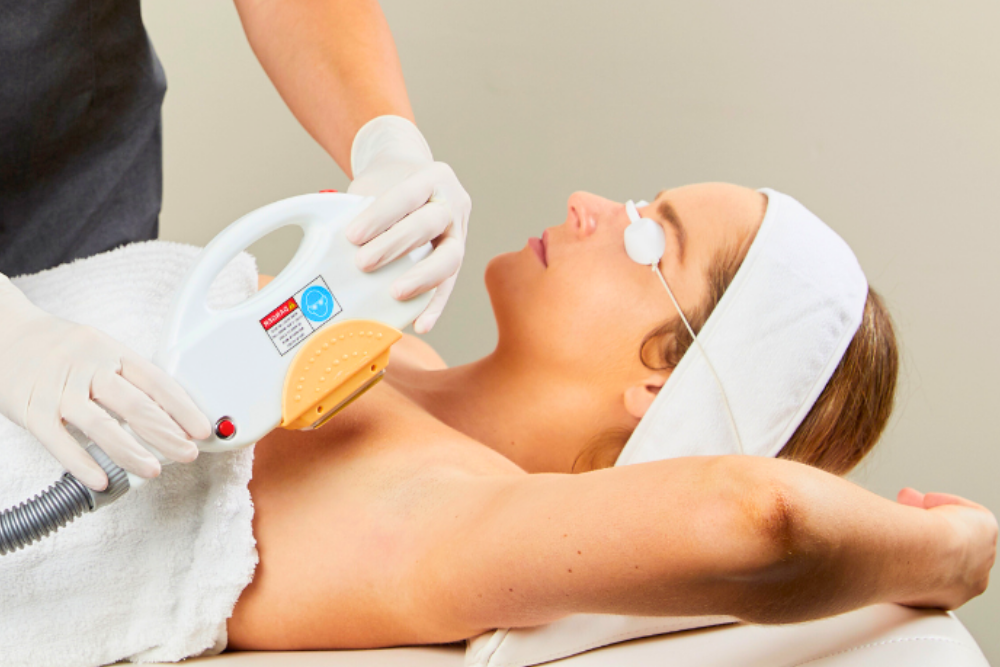
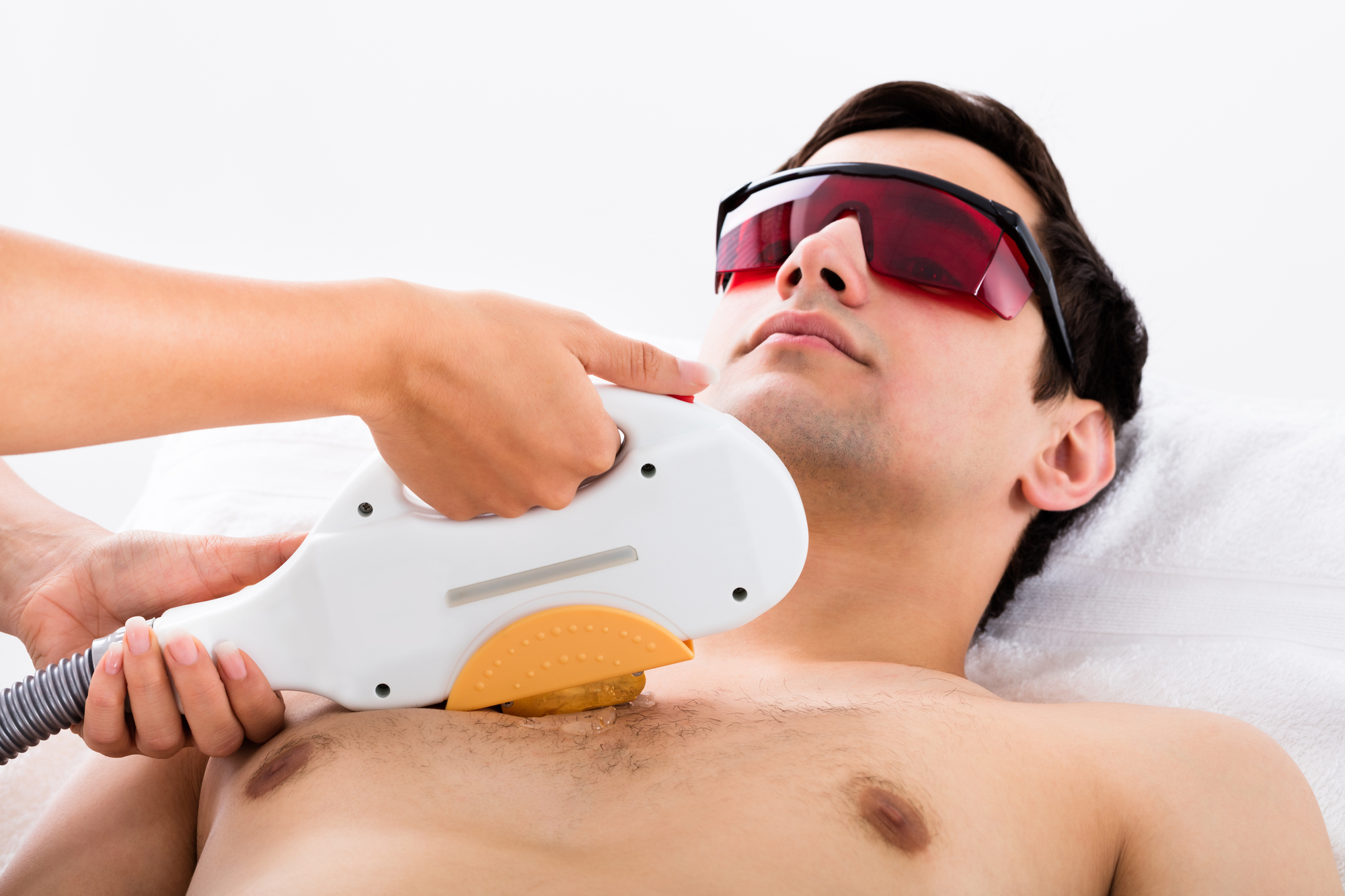
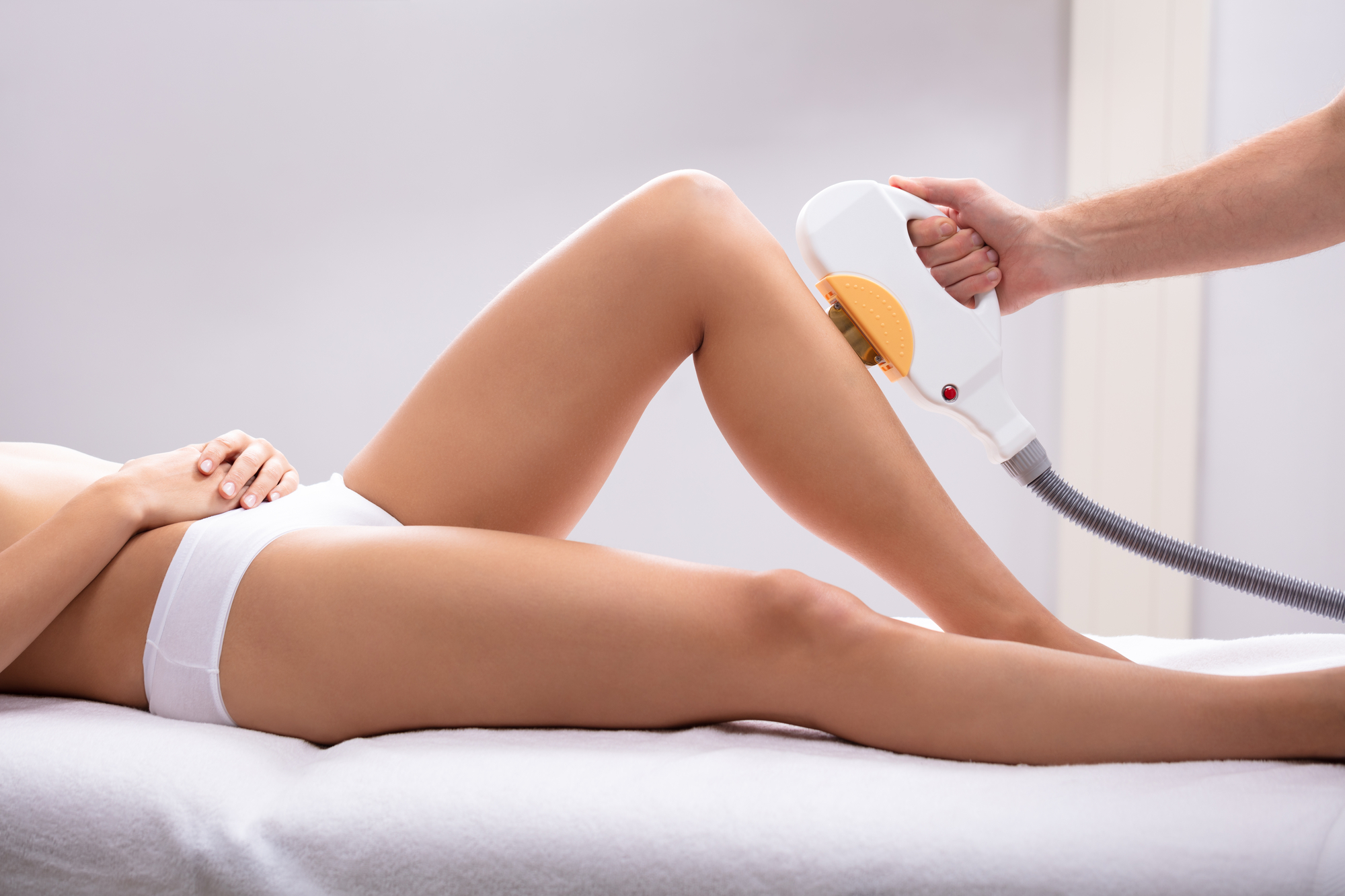
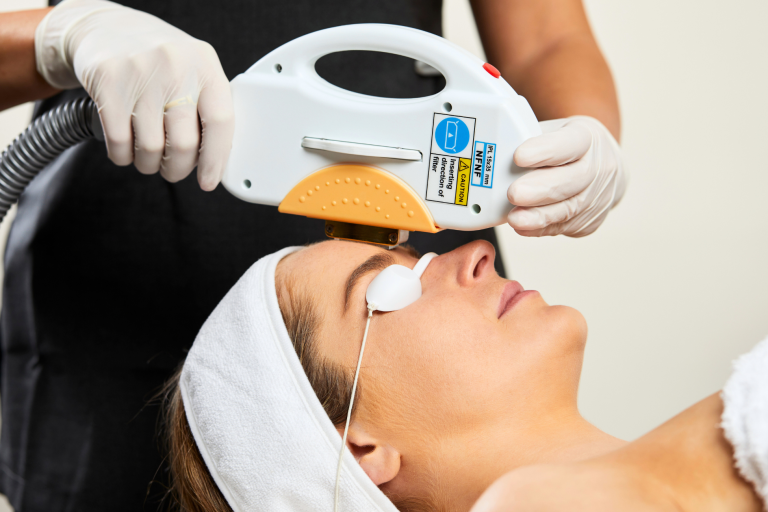
Intense Pulsed Light (IPL) Hair Removal is a non-invasive treatment that uses broad-spectrum light to target the pigment in hair follicles. The light energy is absorbed by the melanin in the hair, which is then converted to heat to gradually reduce hair regrowth. IPL treatments are administered using a medical-grade device by trained professionals.
IPL Hair Removal may be considered for individuals experiencing unwanted hair growth on areas such as the face, underarms, legs, back, or bikini line. It is commonly sought as a long-term hair reduction option for those looking to reduce the frequency of shaving or waxing. Treatment outcomes can vary based on factors such as hair colour, skin type, hormonal influences, and the treatment area, and should always be discussed with a registered health practitioner to ensure the treatment is clinically appropriate.
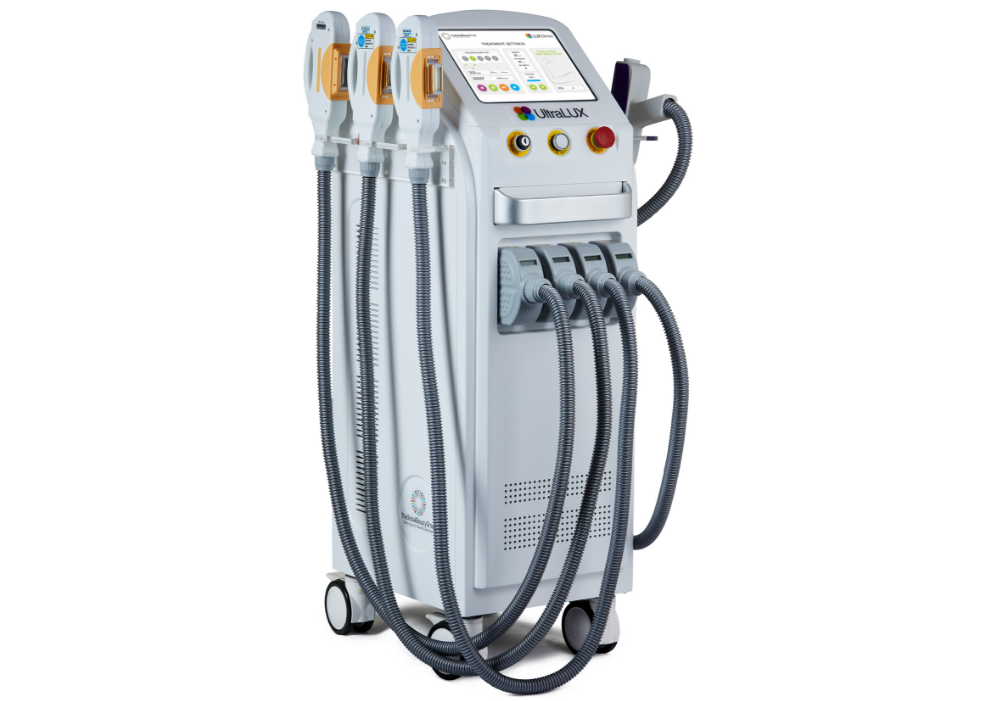
At LA Lips®, our commitment is to exclusively invest in top-tier products, treatments, and devices. An IPL Hair Removal Treatment at LA Lips® comprises of a personalised skin consultation with a certified registered practitioner to assess suitability and safety, utilising the UltraLUX® medical-grade TGA-Listed (ARTG No. 295158) IPL device. IPL can be a slightly painful process, but that doesn’t mean that it’s a cause for concern. Some patients note that the procedure feels like having a rubber band flicked against their skin. Those with darker skin tones may experience more discomfort than those with lighter skin.
The UltraLUX® IPL Hair Removal machine harnesses 50 times the power of typical at-home devices, featuring IPL mode, Super Hair Removal (SHR) mode and Dual-Mode.
IPL Hair Removal may be considered for individuals experiencing unwanted hair growth on areas such as the face, underarms, legs, back, or bikini line. It is commonly sought as a long-term hair reduction option for those looking to reduce the frequency of shaving or waxing. Treatment outcomes can vary based on factors such as hair colour, skin type, hormonal influences, and the treatment area, and should always be discussed with a registered health practitioner to ensure the treatment is clinically appropriate.
At LA Lips®, our commitment is to exclusively invest in top-tier products, treatments, and devices. An IPL Hair Removal Treatment at LA Lips® comprises of a personalised skin consultation with a certified registered practitioner to assess suitability and safety, utilising the UltraLUX® medical-grade TGA-Listed (ARTG No. 295158) IPL device. IPL can be a slightly painful process, but that doesn’t mean that it’s a cause for concern. Some patients note that the procedure feels like having a rubber band flicked against their skin. Those with darker skin tones may experience more discomfort than those with lighter skin.
The UltraLUX® IPL Hair Removal machine harnesses 50 times the power of typical at-home devices, featuring IPL mode, Super Hair Removal (SHR) mode and Dual-Mode.
What To Expect
Before Treatment
• You will have a consultation with a qualified clinician to assess skin concerns and suitability for IPL Hair Removal therapy, including assessing your skin type and hair colour.
• This will involve a review of medical history and any contraindications, discussion of treatment goals and expected outcomes, explanation of how the device works and what to expect during the session, and selection of the correct IPL Hair Removal settings.
During Treatment
• The treatment area is cleaned and shaved (if not already).
• A cooling gel and conducting medium is applied to the skin for comfort and to enhance light transmission.
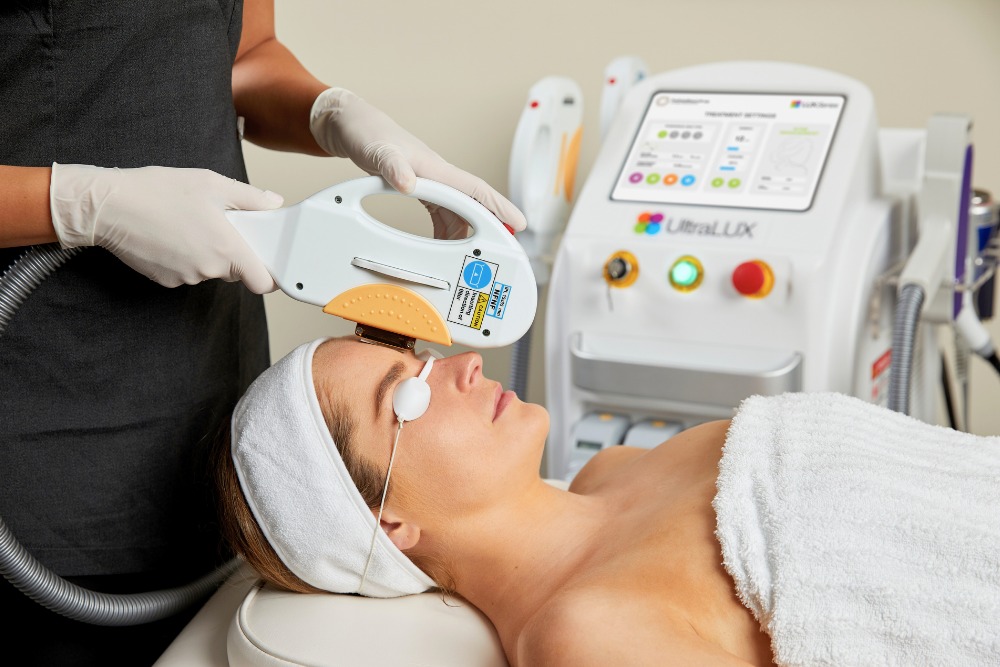
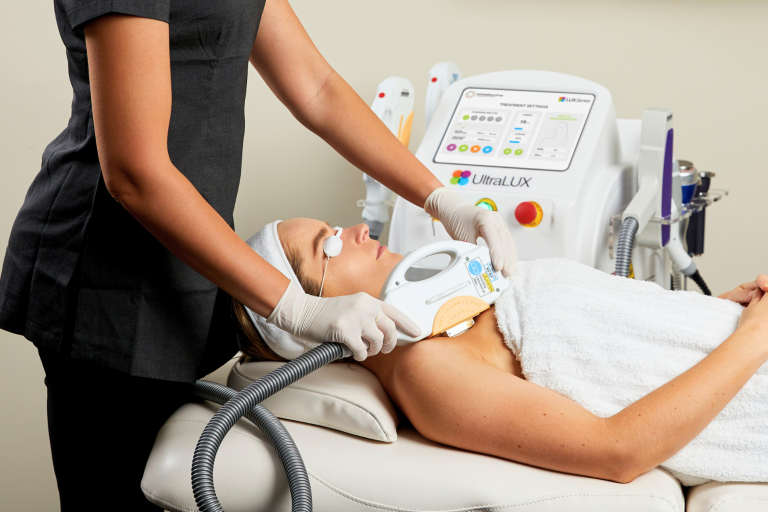
• You and your clinician wear protective goggles to shield your eyes from the intense light flashes.
• A handheld IPL device is placed against the skin and controlled pulses of broad-spectrum light are emitted, targeting pigment in the hair follicles.
• You may feel a warm snapping or flicking sensation, similar to a rubber band on the skin.
• After the IPL treatment is complete, the treatment area is gently cleansed to remove any remaining conducting gel.
• Your clinician will apply a cosmeceutical Post Laser Recovery Serum to soothe, cool and protect the skin; relieving redness whilst helping the skin to a quick recovery from laser hair removal treatment.
• To conclude, we apply a cosmeceutical SPF 50+ sunscreen for added protection.
• Post-treatment, we highly recommend 20-30 minutes under the LED Light (Green Light) to reduce inflammation – calming the skin, and strengthen the skin barrier – supporting a smoother and faster recovery.
After Treatment
• Mild redness or warmth in the treated area is normal and usually subsides within a few hours.
• Skin may feel like mild sunburn – this can last up to 24–48 hours.
• Hair may appear to grow before shedding over the next 7–14 days (this is expected).
• Continue to apply a cosmeceutical Post Laser Recovery Serum.
• Results are best seen with a course of 6-10 sessions, spaced 4-6 weeks apart, often as part of a treatment plan.
Avoid After IPL Hair Removal
• No sun exposure or tanning (including fake tan) for at least 2 weeks – use SPF 30+ or higher daily on treated areas.
• Avoid hot showers, saunas, spas, and steam rooms for 24–48 hours – heat can irritate freshly treated skin.
• No waxing, plucking, or threading – only shaving is allowed between sessions to avoid disturbing hair follicles.
• Avoid active skincare products for 2–5 days, including: Retinol, AHAs (like Glycolic Acid), BHAs (Salicylic Acid), Benzoyl Peroxide, and Vitamin C.
• Do not scrub, exfoliate, or pick at the treated area – let any shedding hairs fall out naturally.
• Avoid tight clothing that may cause friction on treated areas (like underarms or bikini line).
• No intense exercise for 24 hours, to reduce risk of overheating and irritation.
• Avoid alcohol and smoking for at least 24 hours, as these may increase inflammation or interfere with optimal skin recovery, especially in sensitive areas.
Optional Add-On
Green LED Light
MediLUX® LED Device (ARTG No. 317123)
Post-treatment, we highly recommend 20-30 minutes under the LED Light (Green Light) to reduce inflammation – calming the skin, and strengthen the skin barrier – supporting a smoother and faster recovery.
Super Hair Removal (SHR)
A rapid, comfortable hair removal solution that scans instead of pulses large areas like legs and back, reducing treatment time up to 50%.
Dual-Mode IPL
Target finer or lighter pigmented hair (such as darker shades of red or blonde) using IPL+RF to deliver energy deeper while protecting surrounding skin.
IPL
A reliable and effective method for hair removal on smaller treatment zones like underarms, bikini line, and facial areas not suitable for SHR.
How Medical-Grade IPL Enhances Hair Removal Results
Broad-Spectrum Light Technology
• Delivers intense pulses of light across multiple wavelengths to target pigment in hair follicles.
• Suitable for treating larger areas quickly and efficiently.
Customised Settings for Skin & Hair Types
• Adjustable pulse intensity and filters allow precise treatment tailored to individual needs.
• Enhances safety and effectiveness for different Fitzpatrick skin types.
Built-In Cooling Systems
• Features advanced cooling for added comfort and reduced risk of burns or irritation.
• Supports consistent energy delivery for optimal follicle targeting.
Selective Photothermolysis
• Targets melanin in the hair follicle while minimising damage to surrounding skin.
• Helps reduce regrowth without harming skin tissue.
Long-Term Hair Reduction
• Results improve progressively over a series of sessions.
• Most clients see significantly less regrowth, with finer, lighter hair returning (if any).
Benefits, Risks & Contraindications of IPL Hair Removal
Benefits of IPL Hair Removal
• Long-term hair reduction with consistent treatments.
• Less regrowth over time; hair that does return may be finer and lighter.
• Targets multiple hair follicles at once, making it efficient for large areas.
• Non-invasive and low downtime.
• Can improve skin texture and help reduce pigmentation in treated areas.
• Cost-effective long-term compared to ongoing waxing or shaving.
• Reduced ingrown hairs compared to other hair removal methods.
• Suitable for various body areas, including but not limited to legs, underarms, bikini line, face, and back.
Risks / Side Effects of IPL Hair Removal
• Temporary redness, swelling, or warmth in the treated area.
• Mild discomfort during treatment (often described as a snapping sensation).
• Changes in skin pigment (lightening or darkening), especially in darker skin tones.
• Scabbing or crusting (rare) if the skin reacts strongly to the light.
• Blistering or burns (very rare, usually due to incorrect settings or sun exposure).
• Increased sensitivity to sun in the treated area.
• Not suitable for all skin tones or hair colours (less effective on blonde, grey, or very fine hair).
Not Suitable for IPL Hair Removal
• Photosensitive disorders.
• Photosensitising medications or topical agents.
• Epilepsy.
• Skin cancer.
• Pregnancy.
• Retinal conditions.
• Open wounds, cuts, or abrasions in the treatment area.
• Keloid or hypertrophic scarring history.
• Metal or implanted devices in the treatment area (example: pacemaker near chest).
• Tattooed or pigmented areas (IPL cannot be used directly over tattoos).
• Recent chemical peels or laser treatments on the same area (within the past 2–4 weeks).
• Tanned skin or recent sun exposure (within the past 2–4 weeks).
• Recent waxing, plucking, or epilating (within the past 2–4 weeks).