




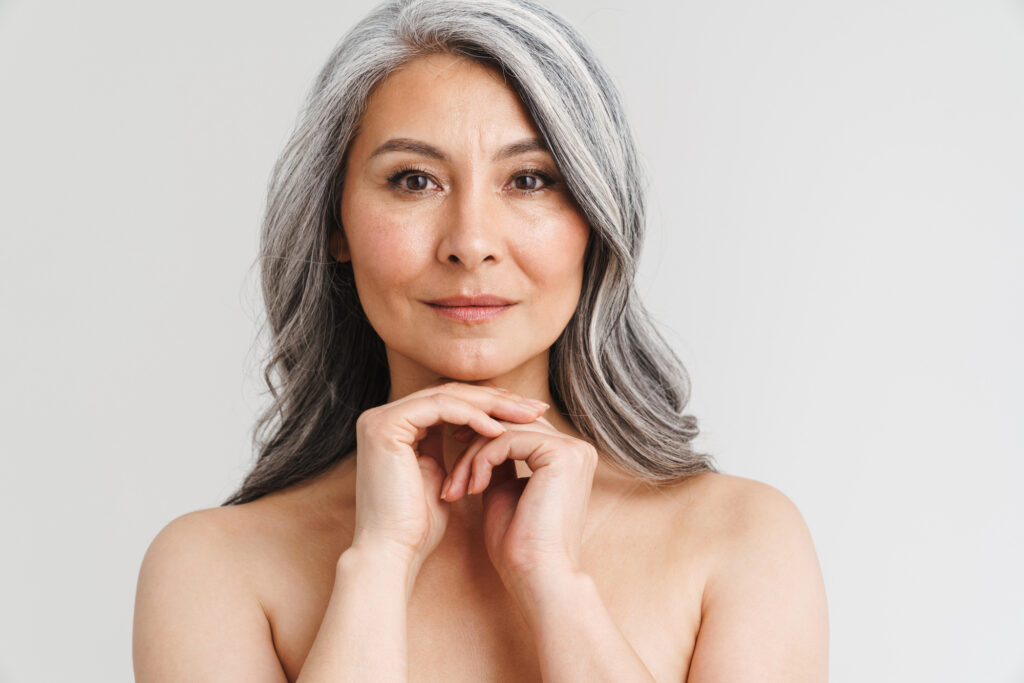
Ageing Skin & Wrinkles
Repetitive facial movements combined with a natural decline in collagen and elastin associated with ageing, can contribute to the development of dynamic lines and wrinkles in the skin.
Read More
Dynamic lines are lines that only appear during facial expressions and muscle activity, such as forehead wrinkles (when raising the eyebrows), crows feet around the eyes (when smiling), and frown lines between the eyebrows (when frowning and squinting).
Static wrinkles are described as papery or deep creases that are evident in the skin without any facial movement, such as smoker lines or vertical lines above the upper lip and other areas of the face noted above.
Jaw Clenching, Excessive Sweating, Gummy Smile & Facial Muscles
Jaw clenching, excessive sweating, and gummy smiles are common concerns that can affect both comfort and confidence.
Read More
Jaw clenching often stems from tension or involuntary muscle activity in the masseter muscles, potentially leading to discomfort, facial asymmetry, and even headaches.
Excessive sweating, also known as hyperhidrosis, can occur in areas such as the underarms, hands, or face, and may be due to overactive sweat glands unrelated to heat or exertion.
A gummy smile (where a significant portion of the upper gums shows when smiling) can be a result of factors like a hyperactive upper lip or altered tooth-to-gum proportion.

Lip Volume, Structure & Asymmetry
Changes in lip volume, definition, and symmetry are common aesthetic concerns that can influence overall facial harmony and expression. Over time, the lips may lose fullness, appear uneven, or develop fine lines around the mouth, altering their natural shape and contour.
Read More These changes may result from a combination of natural ageing, genetics, sun exposure, and lifestyle factors such as smoking or dehydration. As collagen and hyaluronic acid levels decline, lips can become thinner and less defined, while asymmetries may become more noticeable. Understanding the cause of these changes is essential for developing a personalised treatment plan aimed at restoring balance, structure, and a natural-looking result.

Facial Volume, Structure & Asymmetry
Changes in facial volume, structure, and symmetry are common considerations in skin health and appearance. Areas typically involved include the cheeks, jawline, temples, and under the eyes. These variations can affect overall facial balance and contour.
Read More These concerns can occur due to a combination of natural ageing, genetics, environmental exposure, and lifestyle factors. As we age, the skin’s collagen and elastin levels decrease, fat pads shift, and bone density gradually reduces, which can contribute to hollowing, sagging, or imbalance in facial contours. Weight fluctuations, sun exposure, and other external influences may also accelerate these changes. Understanding the underlying cause is essential for determining the most appropriate treatment plan.
Filler Correction / Lip & Dermal Filler Dissolving
Recognising when correction may be required is important. Signs such as blanching, firm nodules, discomfort, or visible filler irregularities should be assessed promptly by a qualified healthcare professional. Early evaluation helps ensure that the area is treated quickly and appropriately, reducing the risk of long-term complications or vascular compromise. Follow-up appointments are essential for monitoring healing, assessing symmetry, and identifying any concerns early, allowing corrective action before issues become permanent.
Read More A filler correction treatment is performed to adjust or dissolve unwanted filler safely and effectively, using a prescription-only medication administered by an Australian registered cosmetic clinician. The procedure is conducted with careful assessment and monitoring to ensure a safe and aesthetically balanced result.

Skin Quality & Hair Health
Thinning hair, scalp health issues, changes in skin texture and firmness, and under-eye skin concerns can all affect overall skin and hair vitality and appearance.
Read More These concerns can arise from a combination of intrinsic ageing, hormonal changes, nutritional deficiencies, genetic predisposition, and environmental stressors. Over time, the body’s natural regenerative processes slow down, which may lead to reduced collagen production, diminished blood flow to the scalp, and weakening of skin and hair structures. Factors such as chronic stress, UV exposure, and lifestyle habits can further contribute to the visible signs of ageing and reduced skin and hair vitality.