

Menu
Skin Needling / Micro-Needling
Skin Needling / Micro-Needling
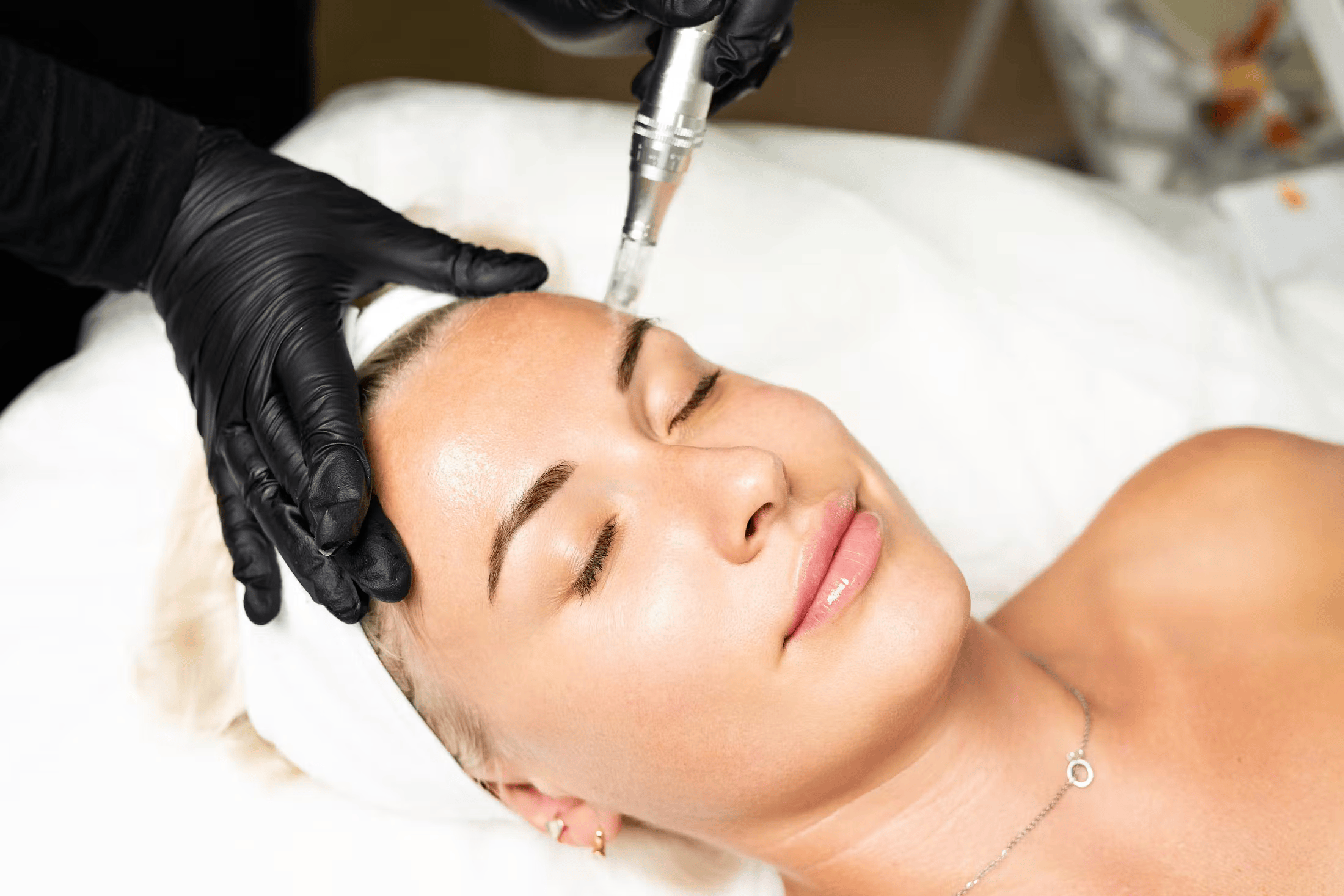
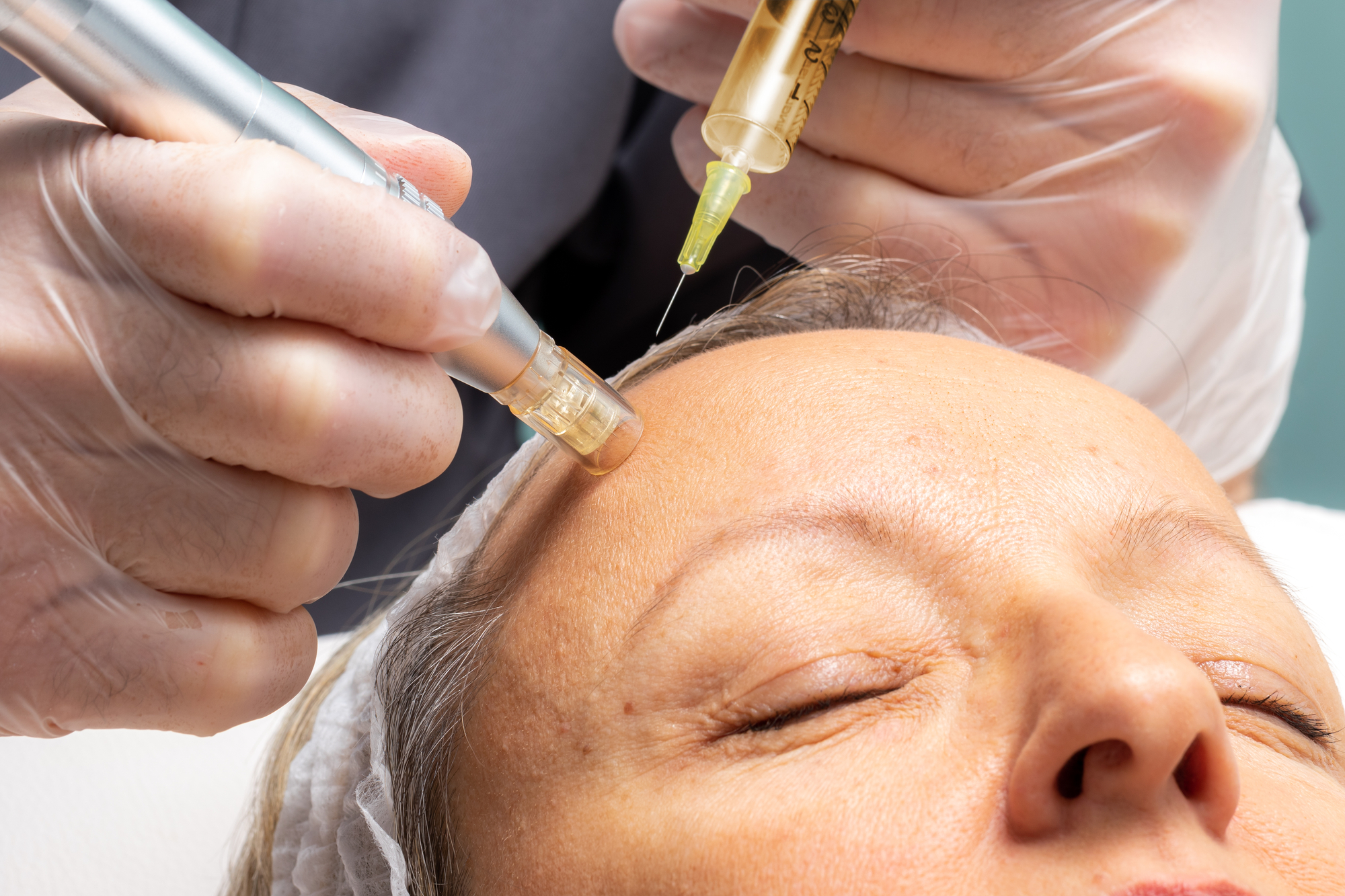
Skin Needling, also known as Micro-Needling, is a controlled treatment that uses a device equipped with fine needles to create microscopic punctures in the skin’s surface. These micro-injuries stimulate the skin’s natural healing response, which support collagen and elastin production. This process is designed to improve overall skin texture and tone using a medical-grade approach, often complemented by an accelerated and concentrated topical serum.
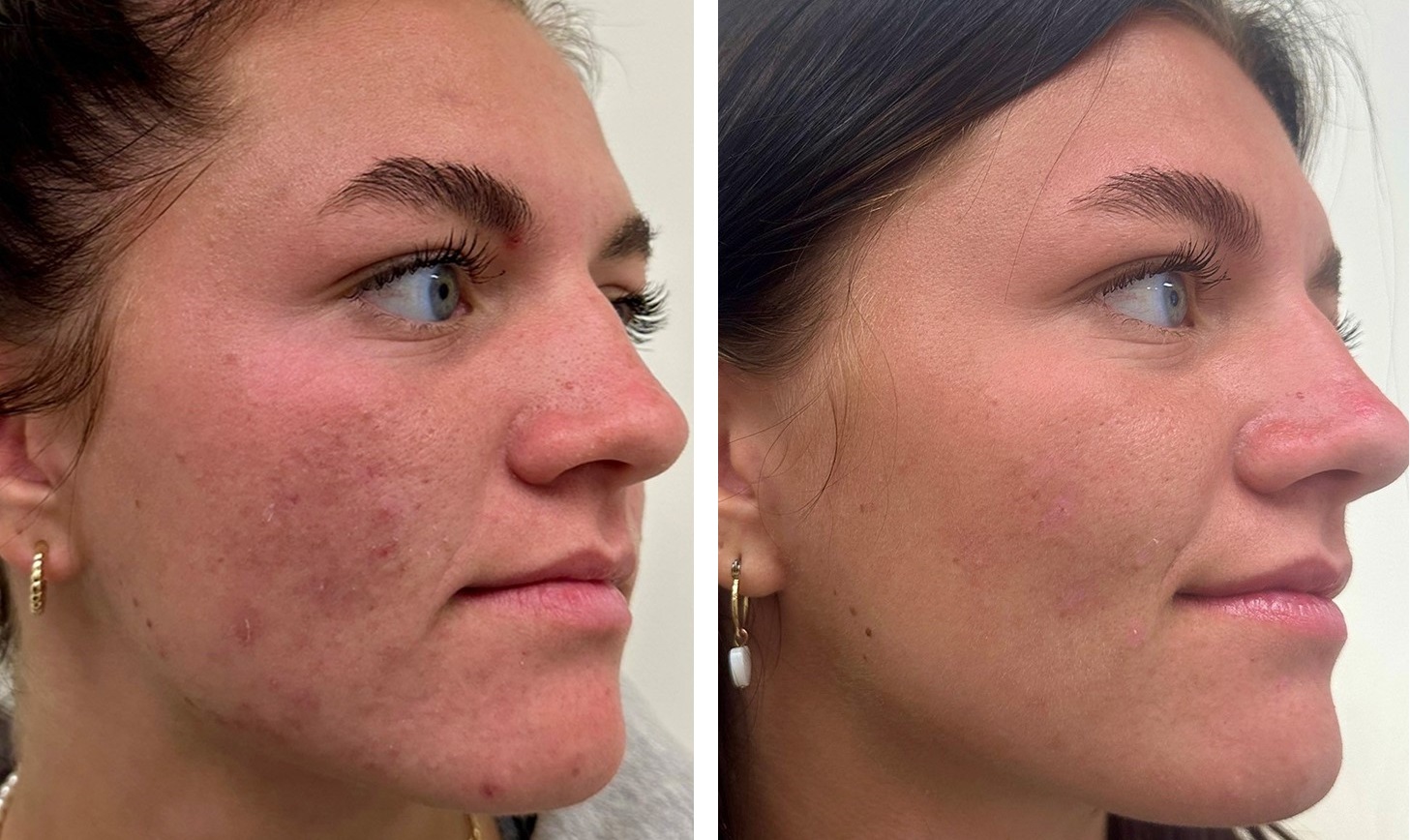
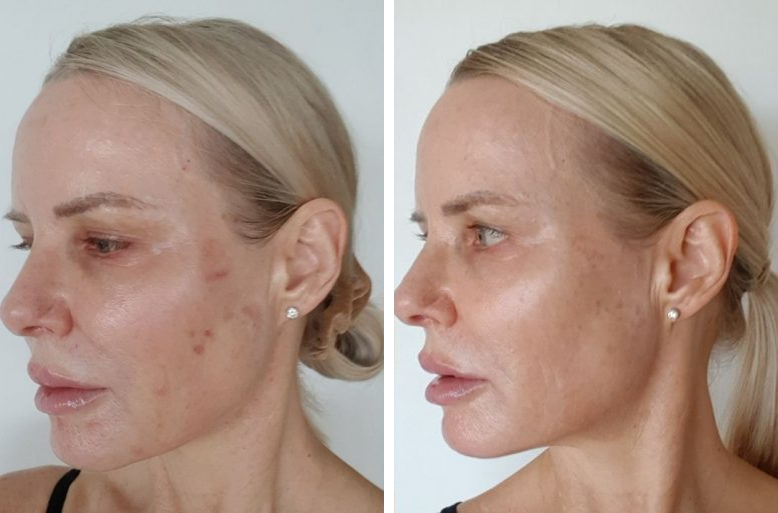
Skin Needling may be considered for concerns such as fine lines, mild acne scarring, enlarged pores, uneven skin texture, and general skin dullness. It is commonly used to support skin firmness, improve surface irregularities, and promote a more refined, rejuvenated appearance over time. Treatment outcomes can vary depending on skin condition, treatment depth, and frequency.
A Skin Needling Treatment at LA Lips® includes a personalised skin consultation with a certified Skin Needling provider utilising the Dermapen® medical-grade TGA-Listed (ARTG No. 356305) microneedling handpiece and patented 12-tip cartridges (ARTG No. 367612) exclusively authorised for professional use.
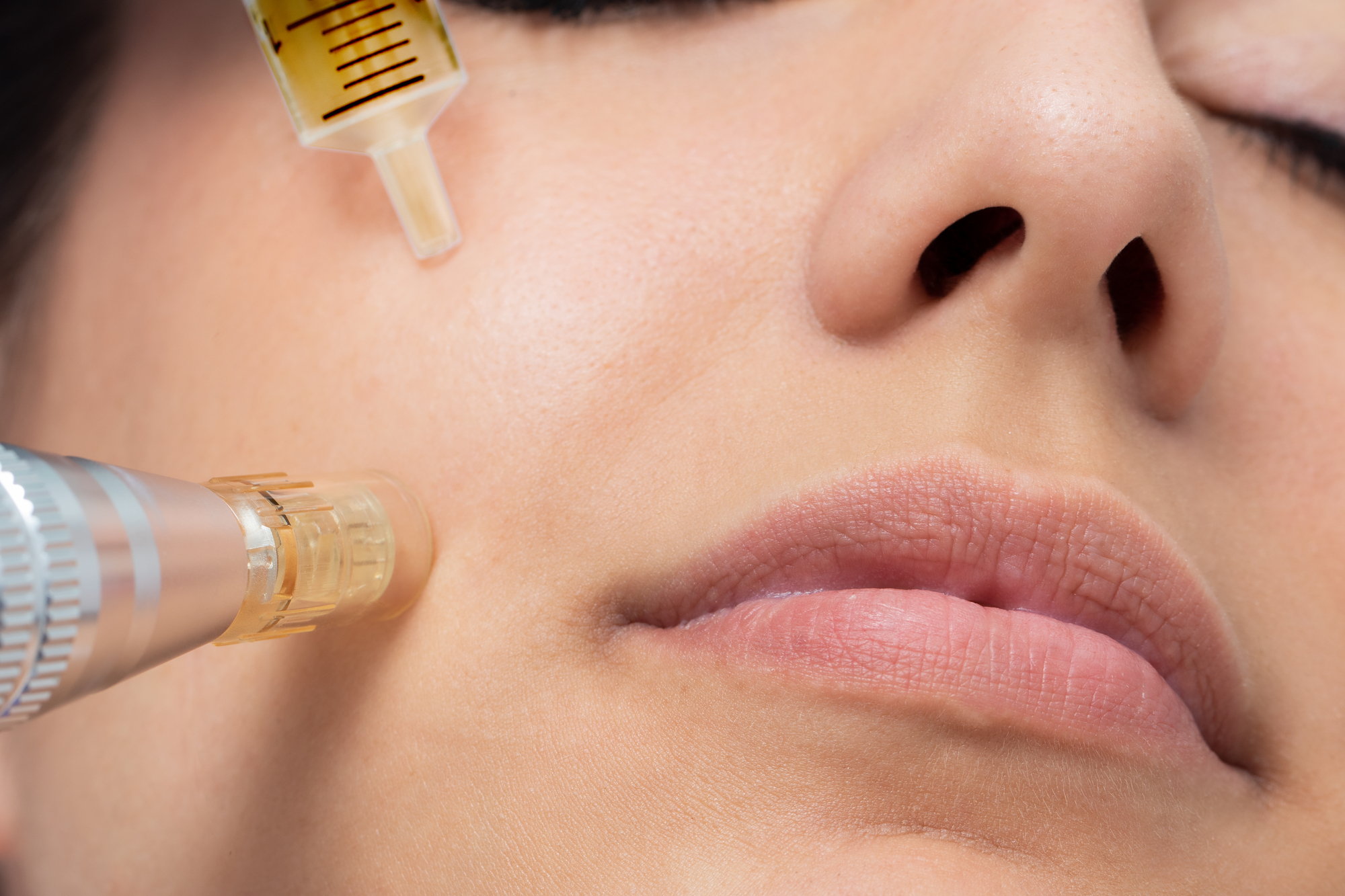
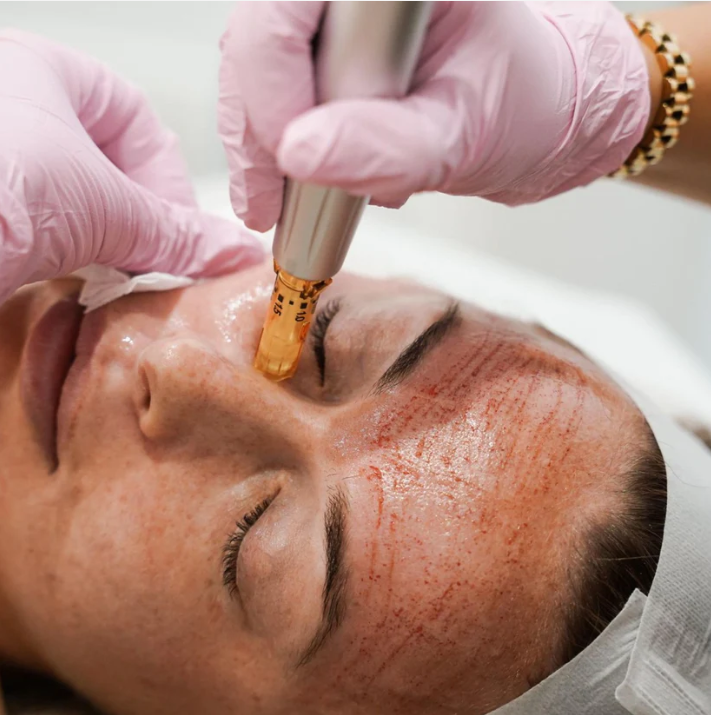
The Dermapen® is an automated micro-needling device with a disposable multi-needle tip cartridge which glides over the skin creating millions of fine, vertical fractional channels up to 104% faster than other micro-needling pens. These channels can carry up to 80% more topical nutrients deeper into the skin. Skin Needling pierces and penetrates the skin causing superficial damage. When an injury occurs, your skin will destroy the old, damaged tissue and replace it with freshly produced collagen.
Skin Needling may be considered for concerns such as fine lines, mild acne scarring, enlarged pores, uneven skin texture, and general skin dullness. It is commonly used to support skin firmness, improve surface irregularities, and promote a more refined, rejuvenated appearance over time. Treatment outcomes can vary depending on skin condition, treatment depth, and frequency.
A Skin Needling Treatment at LA Lips® includes a personalised skin consultation with a certified Skin Needling provider utilising the Dermapen® medical-grade TGA-Listed (ARTG No. 356305) microneedling handpiece and patented 12-tip cartridges (ARTG No. 367612) exclusively authorised for professional use.
The Dermapen® is an automated micro-needling device with a disposable multi-needle tip cartridge which glides over the skin creating millions of fine, vertical fractional channels up to 104% faster than other micro-needling pens. These channels can carry up to 80% more topical nutrients deeper into the skin. Skin Needling pierces and penetrates the skin causing superficial damage. When an injury occurs, your skin will destroy the old, damaged tissue and replace it with freshly produced collagen.
What To Expect
Before Treatment
• You will have a consultation with a qualified clinician to assess skin concerns and suitability for Skin Needling.
• This will involve a review of medical history and any contraindications, discussion of treatment goals and expected outcomes, explanation of the treatment and what to expect during the session.
During Treatment
• The treatment area will be thoroughly cleansed to remove any makeup, sunscreen, or oils.
• A topical numbing cream is applied and left on the skin for approximately 15 minutes to minimise discomfort during treatment.
• The treatment area is wiped again with an antiseptic solution before skin penetration to reduce the risk of infection.
• A cosmeceutical treatment serum is applied to the skin, and reapplied as needed when moving onto next sections of the treatment area.
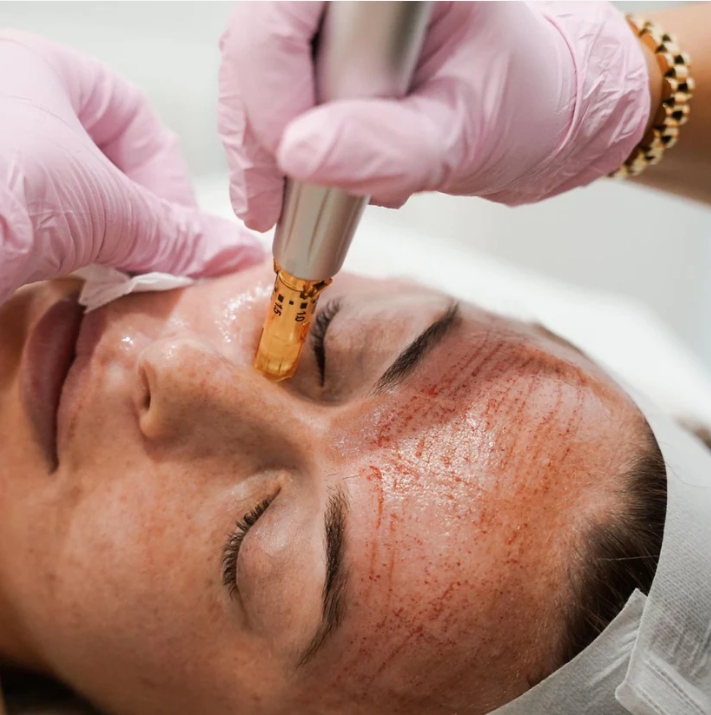
• The multi-needle tip of the Skin Needling device glides over the skin, superficially injuring the epidermis whilst penetrating the treatment serum deeper into the skin.
• You may feel mild pressure, stinging, or pinprick sensations during application.
• The procedure typically takes 45-60 minutes depending on the area treated.
• After the treatment is complete, your clinician will apply an accelerated and concentrated serum and lightweight moisturising crème, precisely tailored to hydrate and support the skin’s natural healing abilities.
• To conclude, we apply a cosmeceutical SPF 50+ sunscreen for added protection.
• Post-treatment, we highly recommend 20 minutes under the LED Light (Near-Infrared Light) to soothe redness and inflammation, promote healing and circulation, and strengthen the skin barrier post-microtrauma.
After Treatment
• Mild redness, swelling, or bruising are normal and usually subside within 24–72 hours.
• Skin may feel like mild sunburn – this can last up to 24–48 hours.
• Mild flaking or dryness may occur as the skin naturally exfoliates (this is expected).
• Skin may feel tighter or slightly sensitive for a few days as collagen production is stimulated.
• Results are best seen with a course of 4-8 sessions, spaced 4-6 weeks apart, often as part of a treatment plan. Top-up treatment is recommended every 4 months to maintain and nurture the condition of your skin and overall glow.
Avoid After Skin Needling
• No sun exposure or tanning (including fake tan) for at least 2 weeks – use SPF 30+ or higher daily on treated areas.
• Avoid hot showers, saunas, spas, and steam rooms for 24–48 hours – heat can increase swelling and irritation.
• Avoid swimming for 48-72 hours – due to risk of infection.
• Avoid waxing, shaving, and laser treatments for 7-14 days – these treatments can irritate or cause further trauma to the treatment area.
• Avoid active skincare products for 2–5 days, including: Retinol, AHAs (like Glycolic Acid), BHAs (Salicylic Acid), Benzoyl Peroxide, and Vitamin C.
• Do not cleanse or rub the treated area on the day of treatment – allow the skin to settle.
• No makeup for 24 hours (or longer if needle marks persist).
• Do not scrub, exfoliate, or pick at the treated area – until fully healed.
• No intense exercise for 24 hours, to reduce risk of overheating and irritation.
• Avoid alcohol and smoking for at least 24 hours. Smoking reduces oxygen supply and collagen production. Alcohol can increase bruising and inflammation – both important considerations post-needling.
Optional Add-On
Near-Infrared LED Light
MediLUX® LED Device (ARTG No. 317123)
Post-treatment, we highly recommend 20 minutes under the LED Light (Near-Infrared Light) to soothe redness and inflammation, promote healing and circulation, and strengthen the skin barrier post-microtrauma.
Features of the Dermapen® Skin Needling Device
Medical-Grade Power & Speed
• The Dermapen® device harnesses over 100 times the power of typical at-home devices.
• Delivers rapid, precise micro-injuries at high speed for consistent results.
• Its advanced motor and needle cartridge system allow for millions of microchannels to be created per treatment session, optimising absorption of active ingredients and stimulating the skin’s natural regenerative processes more efficiently than manual or lower-grade alternatives.
Advanced Multi-Needle Cartridge Tips
• Featuring advanced tip placement with Dermapen® genuine single-use 12 tip micro-needling cartridges – creating maximum efficiency needle depth control.
Clinical-Grade Infection Control
• Dermapen® patented anti-backflow membrane protection – greatly reducing the risk of cross-contamination by eliminating back-flow.
• Proprietary cartridge tip break away – safely rendering the tips unusable and disposed of after use. This ensures the multi-needle cartridges are never used more than once.
Benefits, Risks & Contraindications of Skin Needling
Benefits of Skin Needling
• Promotes natural collagen and elastin production.
• Improves overall skin texture and tone.
• Reduces the appearance of fine lines and wrinkles.
• Helps fade acne scars and other types of scarring.
• Minimises enlarged pores.
• Assists in reducing hyperpigmentation or sun damage.
• Enhances absorption of topical skincare products.
• Can improve stretch marks and skin laxity over time.
• Suitable for most skin types, including darker skin tones.
Risks / Side Effects of Skin Needling
• Mild discomfort or stinging during treatment.
• Redness and swelling for 24-72 hours.
• Mild pinpoint bleeding during or shortly after treatment.
• Risk of bruising, especially around delicate dermal areas.
• Temporary dryness or flaking as the skin regenerates.
• Risk of infection if aftercare instructions are not followed.
• Rare risk of allergic reaction to topicals used during treatment (though very uncommon).
Not Suitable for Skin Needling
• Skin cancer.
• Active skin infections (cold sores, acne cysts, impetigo) at or near the treatment site.
• Active acne, open wounds, cuts, or abrasions in the treatment area.
• Keloid or hypertrophic scarring history.
• Severe inflammatory skin conditions, such as eczema or psoriasis in the treatment area.
• Bleeding disorders or use of blood-thinning medications (aspirin).
• Autoimmune diseases affecting skin or connective tissue (lupus, scleroderma).
• Uncontrolled diabetes or other systemic health conditions that impair healing.
• Recent chemical peels or laser treatments on the same area (within the past 2–4 weeks).
• Tanned skin or recent sun exposure (within the past 2–4 weeks).