

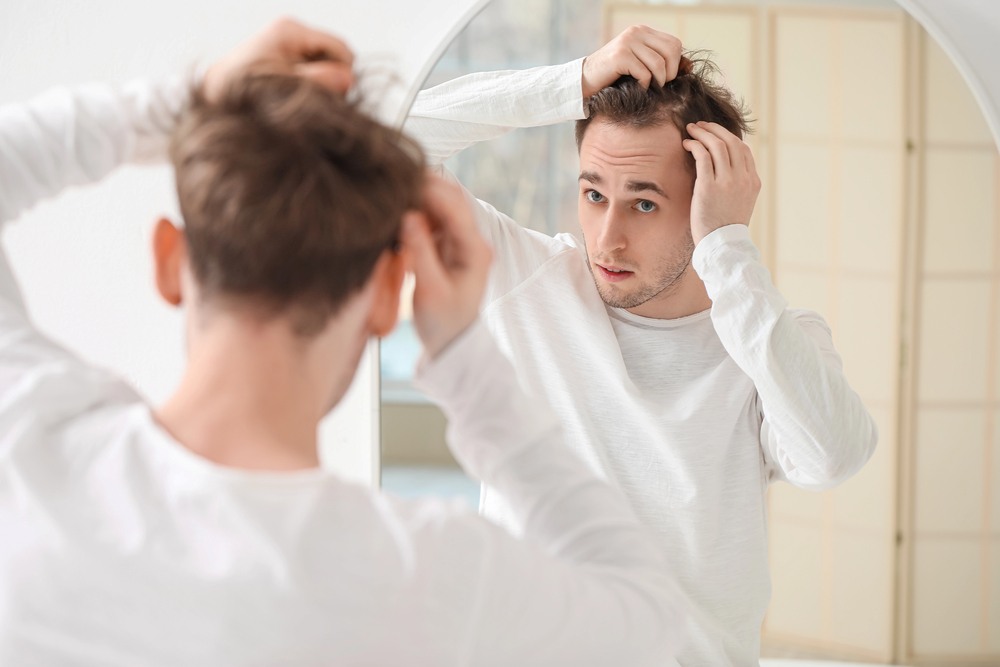
PRP for Thinning Hair: A Guide to Natural Hair Restoration
Noticing more hair in the shower drain or a wider part than you remember? You’re not alone. Thinning hair isn’t just an “older person” problem, it affects plenty of people in their 20s, 30s and 40s, both men and women. The good news is there’s a needle-free-of-drugs, natural option worth knowing about: Platelet-Rich Plasma (PRP) therapy, sometimes paired with its cousin PRF (Platelet-Rich Fibrin).
This guide breaks down what PRP for hair actually is, how it works, and what to expect if you’re considering the treatment.
Why does hair thin in the first place?
Hair thinning rarely has just one cause. Common contributors include:
- Genetics – a family history of hair loss (androgenetic alopecia) is the most common cause for both sexes
- Hormonal changes – pregnancy, postpartum, menopause, or thyroid shifts
- Stress – chronic stress can push hair follicles into a resting phase
- Nutritional gaps – low iron, vitamin D or protein intake
- Scalp health – reduced blood flow and collagen support to hair follicles as we age
- Styling habits – heat tools, tight hairstyles, or harsh chemical treatments
Because the causes are so varied, it’s worth having a proper consultation before starting any treatment, rather than guessing at the cause yourself.
What is PRP (and how is it different from a drug-based treatment)?
Unlike prescription medications, PRP uses your own blood. A small sample is taken, spun in a centrifuge to concentrate the platelets and growth factors, then re-injected into the scalp using a fine needle or a micro-injector device. PRF is a related preparation with a higher concentration of platelets, fibrin and white blood cells, often used alongside PRP for longer-lasting support.
Because it’s autologous (from your own body), the risk of allergic reaction is low. It’s not suitable, however, for people with blood or bleeding disorders, or those on blood-thinning medication, a consultation will screen for this.
| PRP | PRF | |
|---|---|---|
|
Source |
Your own blood |
Your own blood |
|
Platelet concentration |
High |
Higher |
|
Best known for |
Stimulating follicles, thickening hair shafts |
Longer-term cell support |
|
Downtime |
Minimal |
Minimal |
How the treatment works, step by step
- Consultation – a practitioner reviews your scalp, hair pattern and medical history to check suitability
- Blood draw – a small vial is taken, similar to a standard blood test
- Centrifuging – the sample is spun to separate the platelet-rich plasma from other blood components
- Injection – the concentrated PRP (and PRF, if combined) is injected into the scalp at the areas of concern, often using a multi-needle handpiece for comfort and even coverage
- Aftercare – most people return to normal activities the same day, with only mild redness or tenderness at the injection sites
Multiple sessions are usually recommended, spaced a few weeks apart, with maintenance treatments after that. Results vary from person to person and typically build gradually over a few months as new growth cycles occur.
What PRP may help with
- Supporting thicker-looking hair shafts over time
- Encouraging blood supply to hair follicles
- Reducing the appearance of shedding
- Complementing other scalp health habits (nutrition, reduced heat styling, stress management)+
It’s worth setting realistic expectations: PRP is a supportive treatment, not a guaranteed cure for all types of hair loss, and results depend on the underlying cause and individual biology.
Thinking about it?
If thinning hair has been on your mind, the first step is simply a conversation with a qualified practitioner who can assess your scalp and talk through whether PRP (or another option) makes sense for you.
FAQs
Most people describe it as mild discomfort rather than pain, especially when a numbing cream is used beforehand.
This depends on your scalp assessment, but an initial course of several sessions spaced a few weeks apart is common, followed by periodic top-ups.
Hair grows in cycles, so most people don’t see visible change for a few months. Patience is part of the process.
Yes — thinning hair affects both, and PRP is suitable for many presentations of hair thinning, though a consultation is needed to confirm suitability for your specific situation.
No. PRP doesn’t involve moving hair follicles surgically — it’s a non-surgical treatment aimed at supporting the health of your existing follicles.
Important Notice:
This information is provided for educational purposes only and does not constitute medical advice or advertise prescription-only medicines. Individual suitability for any treatment must be determined through a comprehensive consultation with a qualified health professional, in accordance with Australian regulations.