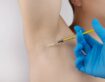


The Do’s and Don’ts of cosmetic procedures during pregnancy
During pregnancy, many people want to maintain their skin or manage concerns like acne, pigmentation, or dryness, but not all cosmetic treatments are safe. Because pregnancy changes your hormones, skin sensitivity, and healing responses, it’s important to know which procedures are safe, which should wait, and why.
This guide explains the cosmetic treatments you can do during pregnancy, the ones you shouldn’t, and what to focus on instead.
Can You Get Cosmetic Procedures While Pregnant?
Most elective cosmetic procedures, including injectables, lasers, and deeper peels, are not recommended during pregnancy.
This is mainly because:
- There is limited safety data on how certain treatments affect pregnancy
- Hormonal changes can make skin more reactive
- Some treatments stimulate inflammation or use active ingredients that may not be safe for the baby
Non-invasive, surface-level treatments are usually the safest option.
The Do’s — Safe or Low-Risk Cosmetic Treatments During Pregnancy
These treatments are generally considered safe because they work on the surface of the skin, don’t involve needles, and don’t use ingredients that penetrate deeply.
Gentle Facials
Hydrating facials, soothing masks, and mild exfoliation are usually pregnancy-safe.
Benefits:
- Improve dryness and dullness
- Reduce pregnancy-related breakouts
- Support sensitive skin
Avoid:
- Retinoids
- High-strength acids
- Harsh extractions
Mild Chemical Exfoliation (AHA-Based)
Alpha hydroxy acids like lactic acid and mandelic acid are gentle and pregnancy-friendly in low concentrations.
Safe examples:
- Lactic acid cleansers
- Light AHA peels
- Clarifying facials with mandelic acid
Avoid:
- Strong salicylic acid (BHA) peels
- TCA or retinoic acid peels
Note: Over-the-counter salicylic acid products at low strengths (usually 1–2%) are often considered low-risk during pregnancy, but high-strength BHA peels and professional treatments should still be avoided. Always follow your clinician’s guidance.
Pregnancy-Safe Acne Treatments
Hormonal acne is common in pregnancy. Safe options include:
- Azelaic acid
- Niacinamide
- Gentle cleansers
- Oil-free moisturisers
Prescription acne medications (like retinoids) are strictly avoided.
The Don’ts — Cosmetic Procedures to Avoid During Pregnancy
These treatments are avoided because they either lack pregnancy safety studies or involve ingredients that may pose risks.
Anti-Wrinkle Injections (Botox, Dysport)
There’s not enough research on the safety of anti-wrinkle injections during pregnancy. Most medical professionals will not perform them until after pregnancy.
Dermal Fillers (Including Lip Fillers)
Hyaluronic acid fillers are not safe during pregnancy.
Why they’re avoided:
- No clinical safety data
- Hormonal changes can worsen swelling
- Increased risk of vascular complications
Laser Treatments (IPL, Laser Hair Removal, Resurfacing)
Lasers and IPL are commonly postponed during pregnancy.
Reasons:
- Heat and light intensity
- Skin pigmentation changes (higher risk of melasma)
- Lack of pregnancy-specific safety studies
Medium to Deep Chemical Peels
Avoid TCA, high-strength salicylic acid, glycolic acid peels, and retinoic acid peels.
These reach deeper skin layers and may increase absorption risk.
Microneedling & Skin Needling
These treatments create controlled injury to the skin which is not ideal during pregnancy.
Risks:
- Inflammation
- Infection
- Increased sensitivity
Skincare Ingredients to Avoid During Pregnancy
Some ingredients are not recommended due to known or suspected fetal risks.
Avoid:
- Retinoids (retinol, tretinoin, isotretinoin)
- High-dose salicylic acid
- Hydroquinone
- Strong chemical peels
- Certain essential oils (like clary sage, rosemary)
What Cosmetic Procedures Are Safe After Pregnancy and Breastfeeding?
Once you’ve finished breastfeeding, most cosmetic treatments can safely be resumed. This is often the point where providers feel comfortable offering a full range of options again.
Treatments usually considered safe after breastfeeding include:
- Dermal fillers
- Anti-wrinkle injections
- Laser hair removal
- Skin needling
- Stronger chemical peels
- IPL and laser pigmentation treatments
Your provider will guide you on the best timing based on your overall healing and your aesthetic goals.
No. Most clinicians avoid Botox during pregnancy due to insufficient safety data.
Most providers recommend waiting until after you stop breastfeeding.
Yes, if they use pregnancy-safe ingredients and avoid retinoids and strong acids.
Because there are no approved studies confirming they’re safe for the baby.
Sun protection, azelaic acid, vitamin C, and gentle exfoliation.
Key Takeaway
During pregnancy, the safest choices are gentle, non-invasive treatments like facials and mild exfoliation. Injectables, lasers, fillers, and strong peels should wait until after birth and breastfeeding. When in doubt, always consult a qualified clinician for personalised advice.
Important Notice:
A comprehensive consultation is essential before making any decisions regarding cosmetic injectable treatments. Our clinical team prioritises your safety and tailors all treatment recommendations to your unique needs. Individual results and recovery may vary. This content is for educational purposes only and does not promote or advertise the use or supply of prescription-only products.