

The Role of Diet in Skincare
In a world filled with expensive creams, serums, and treatments promising flawless skin, many people overlook one of the most powerful tools for radiant, healthy skin: their diet. Your skin is the body’s largest organ, and what you eat influences its structure, resilience, and appearance. While topical skincare addresses surface concerns, nutrition works from within to support collagen production, reduce inflammation, fight oxidative stress, and maintain a strong skin barrier.
Emerging research highlights the gut-skin axis, suggesting that a balanced gut microbiome may support clearer, calmer skin in some individuals. Poor dietary choices may accelerate aging and exacerbate conditions like acne, while nutrient-rich foods promote elasticity, hydration, and a natural glow. This article explores the science and provides practical guidance on using diet to transform your skin.
The Science Behind Diet and Skin Health
Skin cells turn over rapidly, requiring a constant supply of nutrients delivered through the bloodstream. Key processes affected by diet include:
- Collagen and elastin production — supported by protein, vitamin C, and antioxidants.
- Oxidative stress and UV protection — countered by antioxidants that neutralise free radicals from sun exposure and pollution.
- Inflammation control —modulated by omega-3 fatty acids and low-glycemic foods.
- Skin barrier function — strengthened by healthy fats and hydration.
High-glycemic and sugary diets can promote glycation (where excess sugar damages collagen), leading to wrinkles and sagging. In contrast, antioxidant-rich and anti-inflammatory eating patterns slow photoaging and support repair. Some studies have linked plant-forward diets with improved skin hydration and elasticity.
Essential Nutrients for Radiant Skin
Several nutrients stand out for their direct impact on skin health:
- Antioxidants (Vitamins A, C, E, and polyphenols): Vitamin C is vital for collagen synthesis, while vitamins A and E plus plant compounds like lycopene and flavonoids protect against UV damage and environmental stressors. Sources include citrus fruits, berries, leafy greens, carrots, and tomatoes.
- Omega-3 Fatty Acids: These essential fats reduce inflammation, maintain the skin’s lipid barrier, and keep skin supple. Fatty fish (salmon, mackerel), walnuts, flaxseeds, and chia seeds are excellent sources. Omega-3s may also help with inflammatory conditions like acne or psoriasis.
- Zinc and Selenium: Zinc aids wound healing and regulates oil production (helpful for acne), while selenium boosts antioxidant defenses. Find them in pumpkin seeds, Brazil nuts, seafood, and whole grains.
- Protein and Collagen Boosters: Adequate protein provides amino acids for structural repair. Pairing it with vitamin C (e.g., in strawberries or bell peppers) enhances collagen formation.
- Probiotics and Fiber: Supporting gut health through fermented foods (yogurt, kefir, sauerkraut) and fiber-rich plants can positively influence the gut-skin connection and reduce systemic inflammation.
Top Foods for Healthy Skin
Incorporate these “skin superfoods” regularly:
- Fatty fish like salmon — deliver omega-3s and vitamin E for hydration and protection.
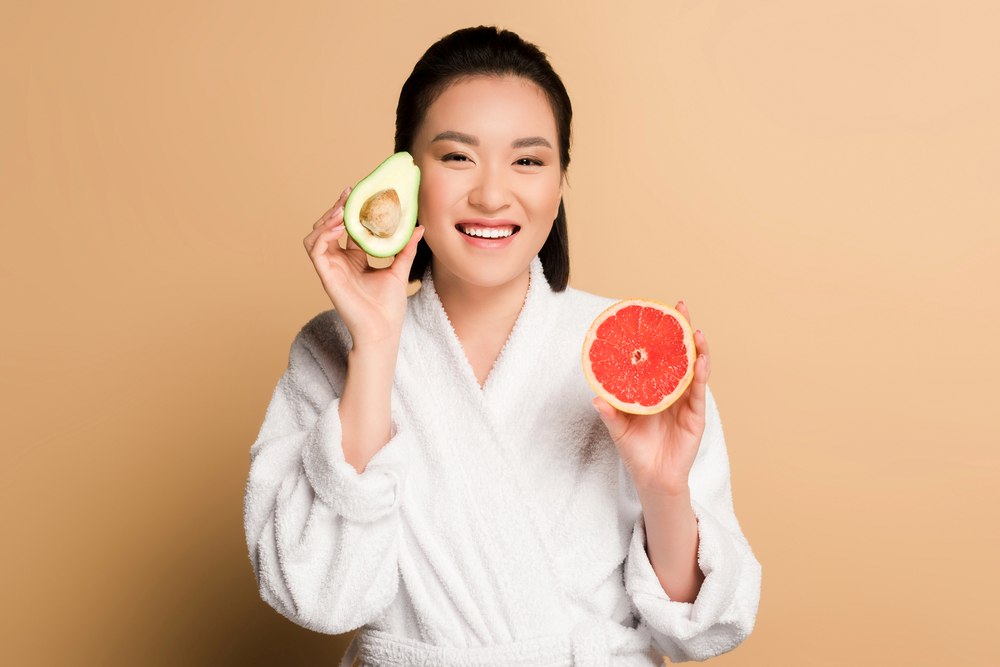
- Avocados — provide healthy monounsaturated fats and vitamin E for moisture and elasticity. Some research suggests regular avocado consumption may support skin elasticity and firmness.
- Berries and citrus — packed with vitamin C and antioxidants.
- Tomatoes and watermelon — rich in lycopene, which may help support the skin’s natural defence against UV-related damage.
- Nuts and seeds (especially walnuts and Brazil nuts) — healthy fats, vitamin E, and selenium.
- Leafy greens and colorful vegetables — broad-spectrum antioxidants and vitamins.
- Green tea — polyphenols help combat inflammation and support skin rejuvenation.
- Dark chocolate (high-cocoa, in moderation) — flavanols may support skin hydration and help reduce the effects of UV-related skin stress.
Eating a rainbow of plant foods and following patterns like the Mediterranean diet (rich in fruits, vegetables, fish, nuts, and olive oil) consistently shows benefits for skin aging and overall health.
Foods That Can Harm Your Skin
Certain foods may trigger or worsen issues, especially for sensitive individuals:
- High-glycemic refined carbs and sugars (white bread, pastries, soda, fries): Spike insulin, increase oil production, and promote inflammation and acne.
- Dairy (especially skim milk): Linked to acne in some studies due to hormones and growth factors.
- Processed and fried foods: High in trans fats and pro-inflammatory compounds.
- Excess alcohol and caffeine: Contribute to dehydration and oxidative stress.
Moderation is key. Not everyone reacts the same way, so tracking your skin’s response to dietary changes can be insightful. Focus on swaps rather than strict elimination.
Hydration and Synergistic Habits
Water is fundamental; dehydrated skin can appear dull and flaky. Aim for adequate fluid intake and eat water-rich foods like cucumber, watermelon, and oranges. Diet works best alongside good sleep, stress management, and consistent sunscreen use. Exercise improves circulation, delivering nutrients more effectively to skin cells.
Practical Tips and Sample Meal Ideas
Start small for sustainable results. Prioritise whole foods, read labels for hidden sugars, and aim for consistency over perfection. Some people may notice changes within several weeks as skin cells naturally renew.
Sample Skin-Supporting Day:
- Breakfast: Greek yogurt (or plant-based alternative) with mixed berries, walnuts, and a sprinkle of chia seeds.
- Lunch: Grilled salmon or tofu salad with leafy greens, avocado, tomatoes, bell peppers, and olive oil dressing.
- Snack: Green tea with a piece of dark chocolate or carrot sticks with hummus.
- Dinner: Stir-fried vegetables with quinoa, chicken or lentils, and broccoli.
Consider food-first nutrition, but targeted supplements (e.g., omega-3s or vitamin D if deficient) may help under professional guidance.
Conclusion
Beautiful, resilient skin starts on your plate. A nutrient-dense, anti-inflammatory diet rich in antioxidants, healthy fats, and fiber may help support glowing skin, reduce inflammation-related breakouts, and support healthy aging.
Experiment with the suggestions above and observe how your skin responds. Small, consistent changes can yield noticeable improvements. For personalised advice, especially with skin conditions, consult a dermatologist or registered dietitian.
Your skin reflects your internal health, nourishes it wisely, and it will thank you with a natural, radiant glow.
Important Notice:
This information is provided for educational purposes only and does not constitute medical advice or advertise prescription-only medicines. Individual suitability for any treatment must be determined through a comprehensive consultation with a qualified health professional, in accordance with Australian regulations.