

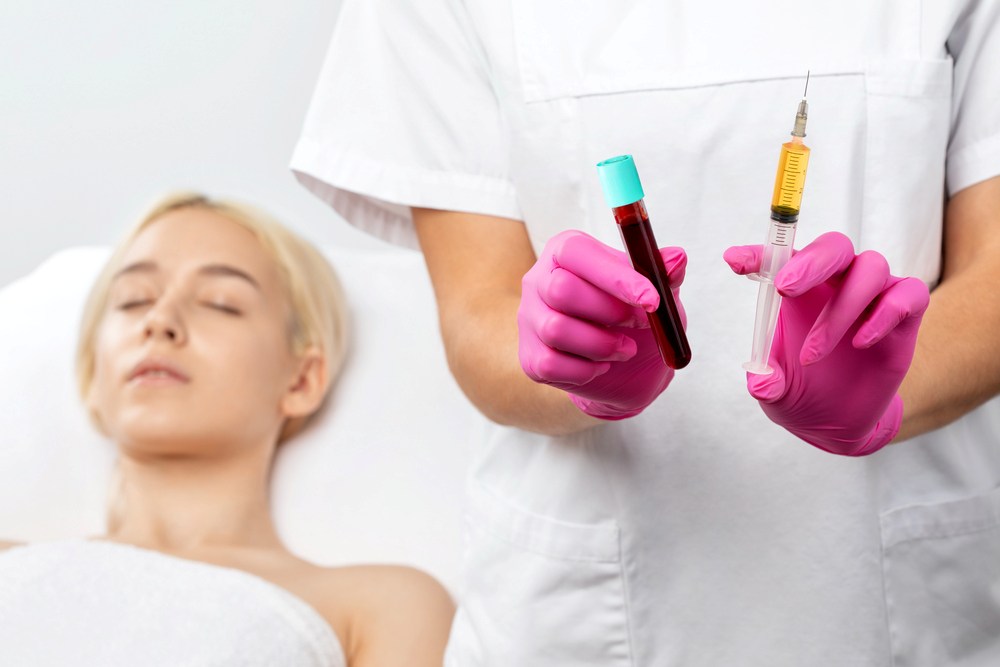
PRP for Skin Rejuvenation: What It Is, How It Works, Benefits, and What to Expect in 2026
Works, Benefits, and What to Expect in 2026
As of March 2026, Platelet-Rich Plasma (PRP) therapy, popularly known as the “Vampire Facial” (when combined with microneedling), remains one of the most sought-after natural regenerative treatments in aesthetic medicine. By using your own blood’s concentrated platelets and growth factors, PRP stimulates your skin’s natural repair processes, boosting collagen, improving texture, and delivering gradual, authentic rejuvenation.
In Brisbane and across Australia, demand continues to rise as people seek minimally invasive options that align with the 2026 trend toward regenerative aesthetics (focusing on long-term skin quality rather than temporary fillers). Recent studies and meta-analyses reinforce PRP’s role in promoting collagen production, reducing pigmentation, and enhancing patient satisfaction, especially when combined with microneedling.
What Is PRP and How Does It Work?
PRP is prepared from a small sample of your own blood (typically 10–60 mL). After centrifugation, the platelet-rich layer is isolated, containing high concentrations of growth factors such as:
- PDGF (platelet-derived growth factor)
- TGF-β (transforming growth factor beta)
- VEGF (vascular endothelial growth factor)
These signal fibroblasts to produce new collagen and elastin, promote angiogenesis (improved blood flow), accelerate healing, and reduce inflammation.
Common delivery methods for facial rejuvenation:
- Microneedling + topical PRP (the classic Vampire Facial): Micro-channels allow deeper penetration.
- Direct intradermal injections (mesotherapy or “PRP facelift”).
- Combinations with RF microneedling, hyaluronic acid, or emerging add-ons like exosomes.
PRF (Platelet-Rich Fibrin) as a next-generation evolution of PRP, offering slower, sustained growth factor release for potentially stronger regenerative effects.
The Procedure: Step by Step
Consultation — Your appointment begins with a thorough skin assessment, discussion of your goals, and medical screening to ensure the treatment is suitable for you.
Blood Collection — A small amount of blood is taken via a quick venipuncture, similar to a routine blood test.
Centrifugation — The blood sample is placed in a centrifuge to separate and isolate the platelet-rich plasma (PRP) or platelet-rich fibrin (PRF).
Application —
- Microneedling creates controlled micro-injuries in the skin to stimulate collagen production.
- The PRP is then applied topically and/or injected into targeted areas to enhance rejuvenation.
Post-Treatment Care — You can expect redness similar to a mild sunburn for 24–72 hours. Strict sun avoidance and gentle skincare are essential during the healing phase.
Session Time — Approximately 45–90 minutes.
Typical Protocol — A course of 4 sessions spaced 4–6 weeks apart is commonly recommended, followed by maintenance treatments every 6–12 months to support ongoing results.
Key Benefits of PRP Treatments
- Increased collagen and dermal density — Histological research demonstrates enhanced collagen synthesis and improved skin thickness.
- Reduction in fine lines, wrinkles, and roughness — Noticeable improvements in texture and elasticity.
- Improved hydration, luminosity, and glow — Enhanced barrier function contributes to brighter, healthier-looking skin.
- Fading of hyperpigmentation and sun damage — Reduction in inflammation-driven pigmentation, including improvement in some melasma cases when combined with RF microneedling.
- High patient satisfaction — Meta-analyses consistently report strong satisfaction scores, particularly due to natural-looking outcomes.
- Minimal downtime and low allergy risk — Because PRP is autologous (from your own body), allergy concerns are virtually eliminated.
- Results develop gradually. Many patients notice improvements within 3–4 weeks, with peak results appearing around 3–6 months. With maintenance, outcomes may last 12–18 months.
Side Effects, Downtime, and Safety
PRP is considered very safe because it uses your own blood — meaning there are no foreign substances introduced into the body.
Common temporary effects include:
- Redness, swelling, or pinpoint bruising (typically 1–3 days)
- Mild tenderness in treated areas
Rare complications:
- Infection (extremely low risk when performed in a sterile clinical setting)
- Prolonged redness or irritation
You should avoid PRP if you:
- Have an active infection
- Have certain clotting disorders
- Are taking specific blood-thinning medications
Always choose a qualified cosmetic physician or dermatologist to ensure appropriate screening, sterile technique, and optimal results.
Who Might Be Suitable
- Early–moderate aging (fine lines, dullness, mild laxity)
- Textural concerns (acne scars, enlarged pores)
- Pigmentation or uneven tone
- Those wanting natural, preventive regeneration
- Less ideal for deep sagging or advanced volume loss (may combine with fillers/biostimulators).
Costs in Australia (Brisbane 2026 Estimates)
- PRP treatment: $300 – $700
- PRP + Microneedling (Vampire Facial): $550–$950
Varies by clinic, device (e.g., Dermapen vs. RF), and whether PRF or combos are used. Medical-grade clinics in Brisbane often price higher for experienced practitioners.
The Bottom Line
PRP continues to thrive as a cornerstone of regenerative aesthetics because it delivers measurable improvements in skin quality, collagen density, texture, elasticity, and glow, using your body’s own biology. While not a “quick fix,” evidence from recent meta-analyses and combination studies supports its efficacy, especially in protocols with microneedling or RF.
If you’re in Brisbane and exploring natural rejuvenation options, a consultation with a reputable cosmetic clinic can determine if PRP (or PRF) fits your skin goals.
Important Notice:
This information is provided for educational purposes only and does not constitute medical advice or advertise prescription-only medicines. Individual suitability for any treatment must be determined through a comprehensive consultation with a qualified health professional, in accordance with Australian regulations.